💡 Spoiler alert: The problem isn’t the participants. It’s not the budget, or the course length. And no, it’s not even the slides — although they often have the sedative effect of a post-lunch carb overload.
The real issue is deeper, and neurologically serious: most soft skills courses ignore how the brain actually works.
And if the brain isn’t engaged, no learning will stick.
Soft skills: knowing about them is not the same as knowing how to use them
Talking about soft skills as if they were pieces of knowledge to transmit is a fundamental error.
Communicating effectively, managing conflict, leading a team under pressure… these aren’t actions we switch on with a mental click after reading the right definition. They’re complex behaviours, woven into our emotional history, automatic habits, and internalised relationship patterns.
And above all: they resist change.
The human brain, for purely evolutionary reasons, is wired to save energy — not to change every time someone presents a shiny new 4-quadrant model.
Learning psychology says it clearly: without experience, behaviour doesn’t change
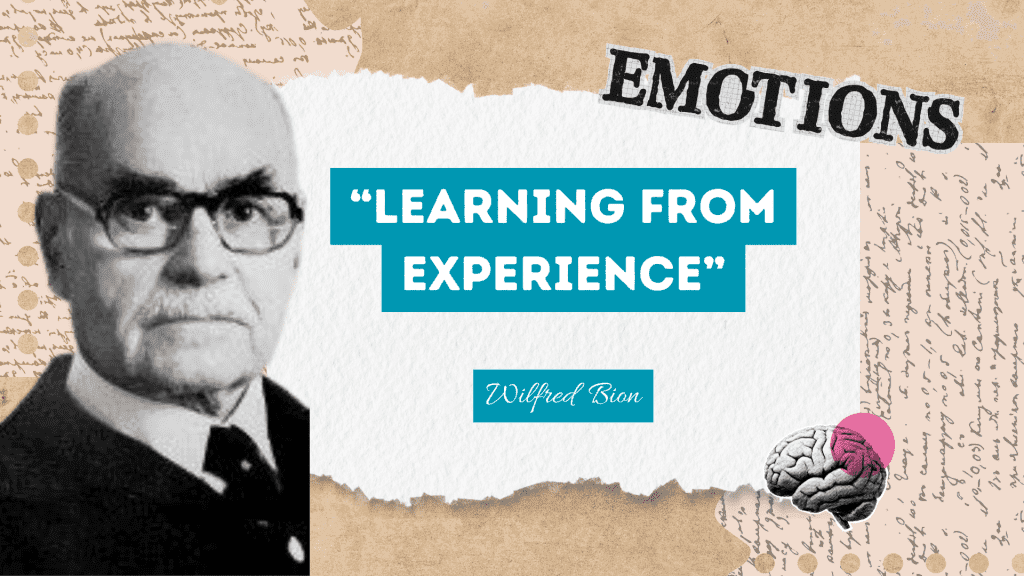
Wilfred Bion understood this long before neuroscience did: “learning from experience” isn’t just a catchy phrase. It’s a transformative process that requires emotional contact with reality, openness to uncertainty, and the ability to remain in discomfort.
This alone explains why front-facing, rational, theory-heavy training formats often fail.
David Kolb’s experiential learning cycle reminds us that real learning happens when we live a concrete experience, reflect on it, build new ideas, and then test them in practice.
Skipping even one of these steps — as is common in 3-hour workshops with a final quiz — compromises the entire process.
So why do we keep delivering training that doesn’t work?
Because we’re comforted by structured content.
By neat PowerPoints. By tidy definitions.
We think: “If they understand it, they’ll do it.”
And that’s where the most common bias among trainers and managers comes into play: the illusion of transparency —
the belief that if we explain something clearly enough, it will lead to change.
Too bad the brain doesn’t work that way.
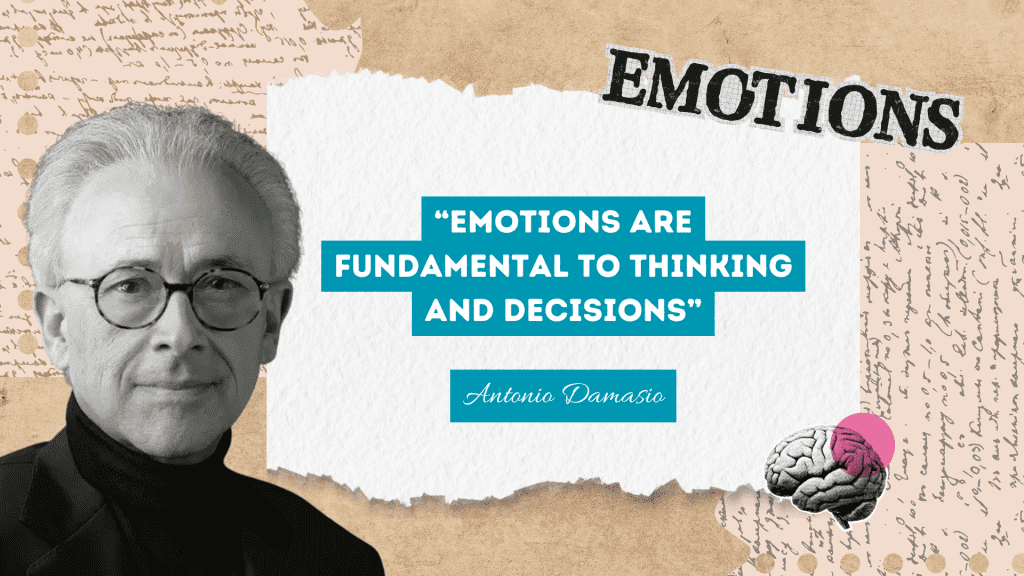
Antonio Damasio, in Descartes’ Error, puts it plainly: emotions are fundamental to thinking and decision-making.
A course that doesn’t touch emotion, that doesn’t create a safe space to explore how we relate to others, doesn’t transform anything. At best, it informs.
Change isn’t taught. It’s facilitated.
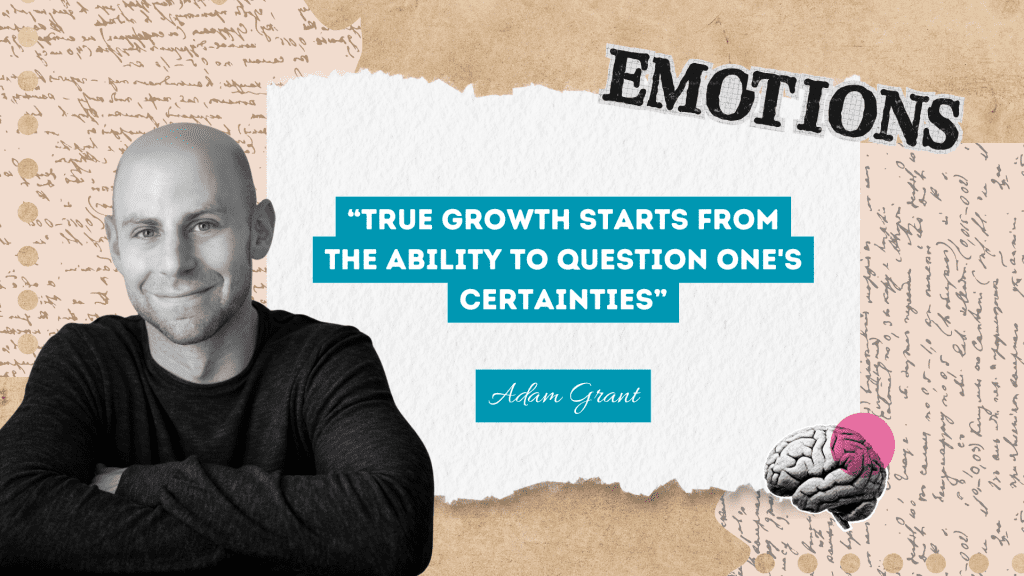
Adam Grant, in Think Again, reminds us that real growth starts with the ability to question our own certainties.
A good soft skills course should do exactly that: help people observe their automatic patterns — not with judgement, but with clarity.
Only then can we generate new behaviours.
Only then does training make sense.
When does a course fail? When it ignores the brain
The problem often isn’t the what, but the how.
It doesn’t matter how strong the content is if it’s delivered in a way that fails to engage attention, create emotional safety, spark curiosity, or allow space for real practice.
Training is a serious profession.
You need to understand how the limbic system is activated, how to manage resistance to change, how to facilitate the adoption of new relational patterns.
And no — doing a single role-play doesn’t mean your course is experiential.
What does it really take to change behaviour?
After years of working with teams and leaders across industries — from manufacturing to healthcare training, from SMEs to global corporates — we’ve learned that the formula is simple but not easy:
- Learning must be lived, not explained
- New habits must be trained, not just conceptualised
- The workplace environment must be engaged, not bypassed
The trainer must become a facilitator and coach, not a content delivery system
What we do differently at MPEC
All of our soft skills courses are based on one simple principle:
“If the brain doesn’t change, the behaviour won’t either.”

Every course is an experience.
Every module is designed to engage the body, the emotions, and the mind.
Every participant is accompanied — not instructed — to become the active author of their own behavioural shift.
In conclusion: less theory, more transformation
The human brain doesn’t change because it’s told to.
It changes when it feels, when it makes sense of things, when it experiments.
And above all, when someone walks alongside — not pushing too hard, but not letting us stay too safe either.
If we want soft skills to become part of corporate culture,
we need to stop treating them as knowledge to be acquired.
And start designing safe, challenging, neuroscience-informed spaces for real growth.
SoftSkills #NeuroscienceInLearning #BehavioralChange #ExperientialLearning #EffectiveTraining #LeadershipDevelopment #EmotionalIntelligence #HabitFormation #CoachingCulture #Neuroplasticity #MPEC