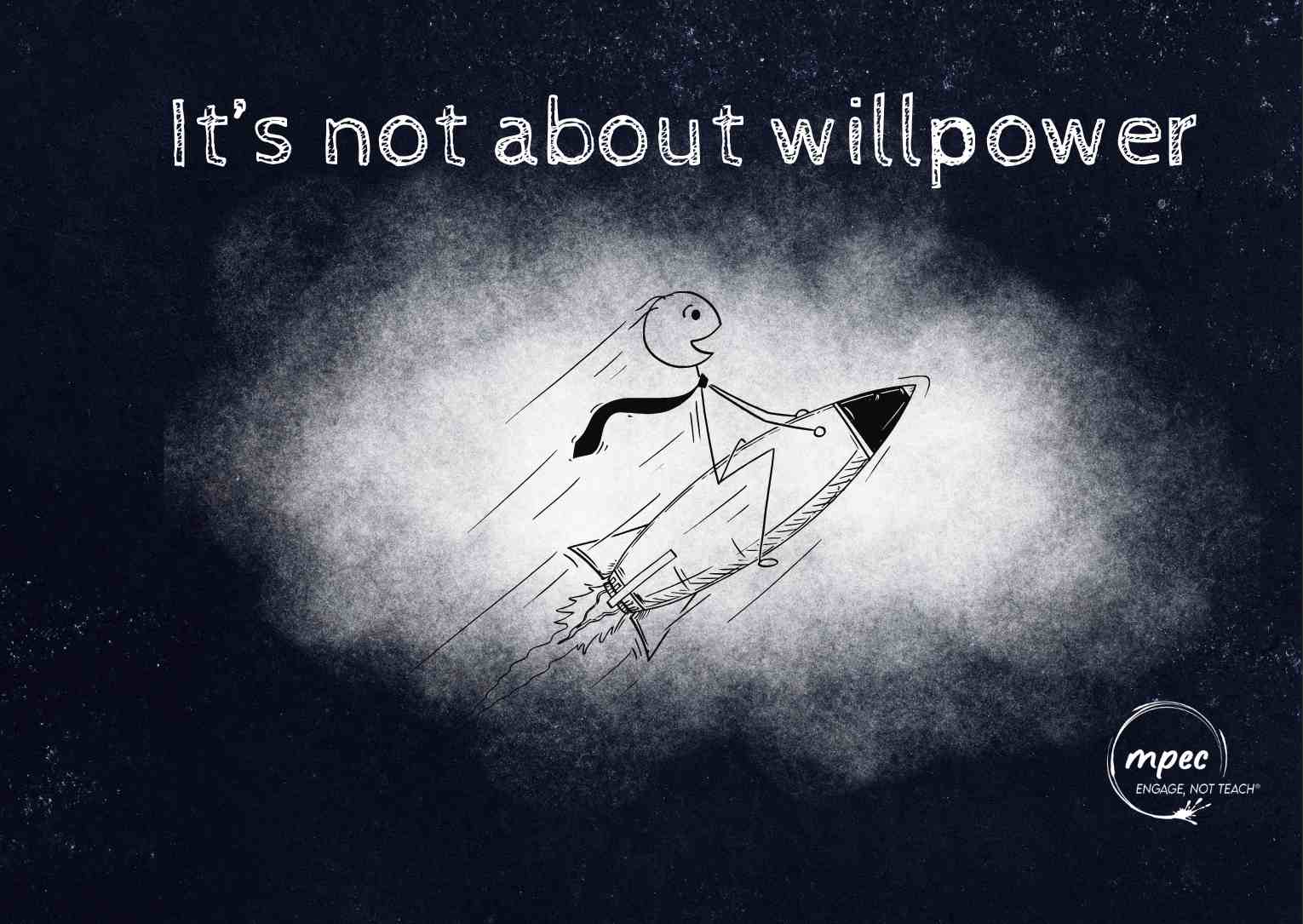
How many times have you thought, “I just don’t have the willpower”?
Maybe you started a course, read a book, made a list of good intentions…
but after a few weeks, everything fizzled out. Again.
If that’s happened to you, you’re not lazy. You’re not the problem.
The problem is that you’ve been using the wrong tool.
In our work as certified coaches specialising in neuroscience and transformative growth, we see it every day: people genuinely believe their success depends on motivation, discipline, that classic “I just need to push harder” approach — as if that were enough.
Spoiler: it’s not.
The human brain isn’t designed to change through willpower.
It’s designed to survive, conserve energy, and stick to the familiar.
That’s why real, lasting change doesn’t happen when you push harder.
It happens when you build new habits your brain can recognise as safe, stable, and automatic.
In this article, we’ll explore why habits are the only true superpower behind personal growth, what’s really going on in the brain when you try to change, and how to start building new routines that actually stick —
even (and especially) when your motivation disappears.
💣 The Willpower Myth: An Overrated, Unreliable Resource
For years we’ve been told: “If you really want it, you just have to try harder.”
Shame that this statement is scientifically false.
Willpower is a limited resource, vulnerable to energy dips, stress, fatigue, and blood sugar crashes.
It works well for short sprints, but it can’t sustain a long-term transformation.
And in difficult moments — seasonal shifts, burnout, daily chaos — willpower crashes.
And with it go all your good intentions.
Daniel Kahneman said it clearly: our brains are wired to choose the easiest route, not the best one.
And when cognitive load increases, the brain automatically defaults to old habits, even if they’re unhelpful.
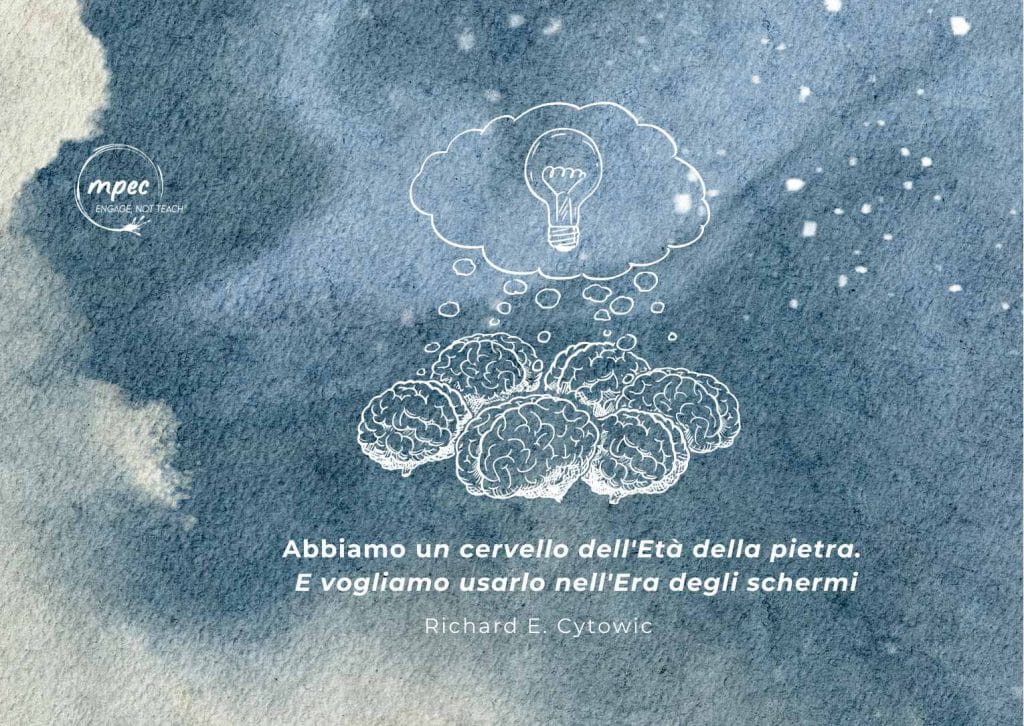
🧠 Is the brain lazy? No. It’s a metabolic genius from the Stone Age. (And it hates change)
There’s an unwritten rule that’s always in play:
The brain prefers habit over novelty — even if the new thing would make you happier, healthier, or more effective.
And it’s not stubbornness.
It’s survival. Your brain evolved around 200,000 years ago, when humans were living on the savannah — no fridges, no supermarkets, and one clear objective: don’t starve to death.
Back then, the greatest threat wasn’t boredom — it was burning too many calories.
Every decision, every new action, every attempt to “do something different” came with a metabolic cost.
And the brain — a brilliant master of efficiency — learned very quickly:
“If it’s not strictly necessary, don’t do it.”
That mechanism is still active today.
Even now, when you try to introduce a new healthy habit, your nervous system still behaves as if it needs to save you from a famine.
From your brain’s perspective, neurogenesis — the creation of new neural pathways — is a risk.
It demands energy, oxygen, glucose.
It requires conscious effort.
So your brain replies with a strategy that worked perfectly in the Stone Age, but is disastrous for personal growth:
❌ Status quo bias
❌ “Better the bad habit I know than the good one I have to build”
❌ “Save energy. Stay where you are.”
That’s why every time you try to change something, a familiar voice shows up inside you:
“Come on, start again on Monday.”
“You’ve tried this a thousand times.”
“This just isn’t for you.”
This isn’t just self-sabotage.
It’s your Palaeolithic brain trying to protect you from the energy cost of change.
It wants you alive. Not evolved.
The problem is… that very “protection” is what keeps you stuck —
trapped in routines that no longer reflect who you are.
Habits: the Neurobiological Solution to Resistance
This is where habits come in.
A good habit, once integrated, no longer requires effort or decision-making.
It becomes automatic — and that’s exactly why it’s so powerful.
Every habit is a neural shortcut.
The more you repeat it, the more efficient your brain becomes at executing it.
Until one day, it stops being “something you have to do” …and becomes “part of who you are.”
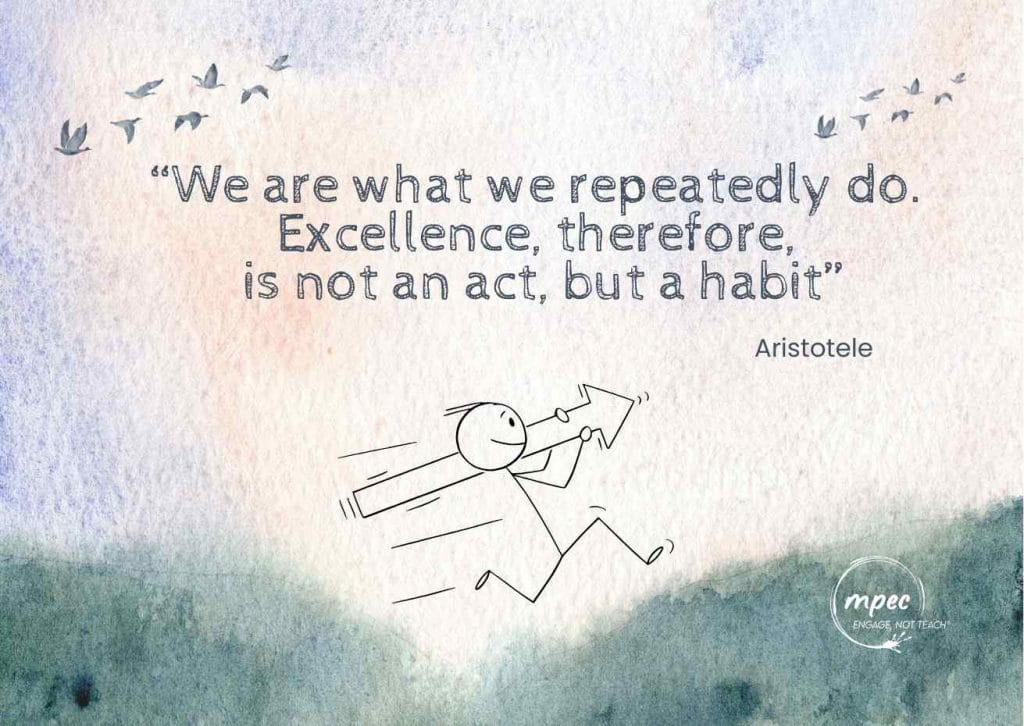
In that sense, habits aren’t just behaviours.
They’re identity statements.
As James Clear says in Atomic Habits:
“The goal isn’t to read 30 books a year. The goal is to become someone who reads every day.”
“Every small action you repeat is a vote for the identity you want to build.”
⚠️ The Moment Most People Quit (and How to Avoid It)
In the first few days of doing something differently — waking up earlier, writing every evening, eating better, not doom-scrolling — you enter “conscious effort mode.”
You have to remember what to do.
You have to fight off the old autopilot.
You have to push, convince yourself, believe.
And every part of you screams:
“This is too hard. I can’t do it.”
That’s when the real work begins. And that’s exactly where most people give up.
Not because they’re weak.
Not because they don’t care enough.
But because they don’t realise how expensive change feels in the beginning.
It’s awkward. Fragile. Exhausting.
That’s normal.
It’s biological.
But it’s not permanent.
If you can stay in that uncomfortable zone long enough — and if you use real tools, not just motivational quotes — then something powerful happens:
The new behaviour starts using less energy.
The unfamiliar gesture becomes second nature.
The action stops being a decision… and becomes a habit.
At that point, you’re not just “trying to change.”
You’ve been rewired.
You’re no longer forcing it.
You’re living it.
That’s where coaching makes all the difference.
You don’t need someone to tell you “you’ve got this.”
You need someone who can help you see where you’re stumbling,
why it’s completely normal,
and how to train that micro-shift that takes you from intention to identity.
How to Build a New Habit (Without Burning Out)
🧠 It’s not just about wanting it.
You need a method. And neuroscience.
Here are the 5 key principles of evolutionary habit coaching we use at MPEC:
1. Start from a new identity, not from a goal.
Don’t say: “I want to meditate every day.”
Say: “I’m someone who cultivates presence and awareness.”
Your brain defends what matches your perceived identity.
2. Make it microscopic.
A new habit should be so small it feels ridiculous.
Want to write a book? Start with 3 lines a day.
Want to read more? Start with one page.
What matters is activating the neural pattern.
3. Link it to an existing behaviour.
After coffee → stretch.
Before brushing your teeth → repeat an affirmation.
The brain loves chains, not isolated actions.
4. Make the tracking visible.
Mark each day you stick to your habit. Use a habit tracker!
Visual feedback (calendar, app, sticky notes) triggers dopamine reinforcement.
5. Reward yourself. Immediately. Always.
Your brain needs short-term rewards.
It’s not enough to know it’ll “help you in the long run.”
You need to feel good today.
Want to know what a habit tracker is? Watch the video coaching session here
🔚 Conclusion: Change isn’t heroic. It’s habitual.
If there’s one thing I’ve learnt in years of evolutionary coaching, it’s this:
you don’t need to be a hero to change. You need to be consistent.
You need a method. You need to stop waiting for motivation.
You need to understand how your brain actually works — and learn to speak its language.
You don’t have to do everything.
You just need to start with one thing.
And repeat it. Even on the off days.
Because yes, personal growth can be extraordinary.
But at first, it’s boring. Repetitive. Not very Instagrammable.
And that’s exactly why it works.
People who change aren’t more intelligent, more talented, or more motivated.
They’re just the ones who’ve learnt how to build a new habit —
even when their old identity was shouting, “Go back.”
🚀 What now?
💬 Write to us if you want to understand which habit is the right one to start, based on your story, your goals, and your neurochemistry.
🧭 Or begin your Coaching journey with us.
We’ll help you build a system of transformational habits, tailored to you, using the MPEC approach: coaching, neuroscience, and identity.
No pressure. No gurus. Just real evolution.
Tell us your goal. Let’s build the habit that can change your life — together.
habit formation, personal growth, transformative coaching, applied neuroscience, willpower, neuroplasticity, behavioural training, overcoming inner blocks, lasting change, building new habits.
#habitformation #coachingtrasformativo #neuroscienze #cambiamentovero #mpecmethod #crescitaautentica #superareiblocchi #softskillschefunzionano #neuroplasticità #coachingevolutivo