


Written by: Suzanne Pilch, ICF Certified PCC, TIIC, TIRC Coach
You wake up, heart racing, from a dream that felt too real. Maybe you were flying. Maybe you were arguing with someone from your past. Maybe you couldn’t speak, couldn’t move, or suddenly found yourself in a place you’ve never been.
The images are strange, the story often fragmented. Yet something about it lingers.
We ask ourselves: What does it mean?
The real question might be: What does your brain want you to know?
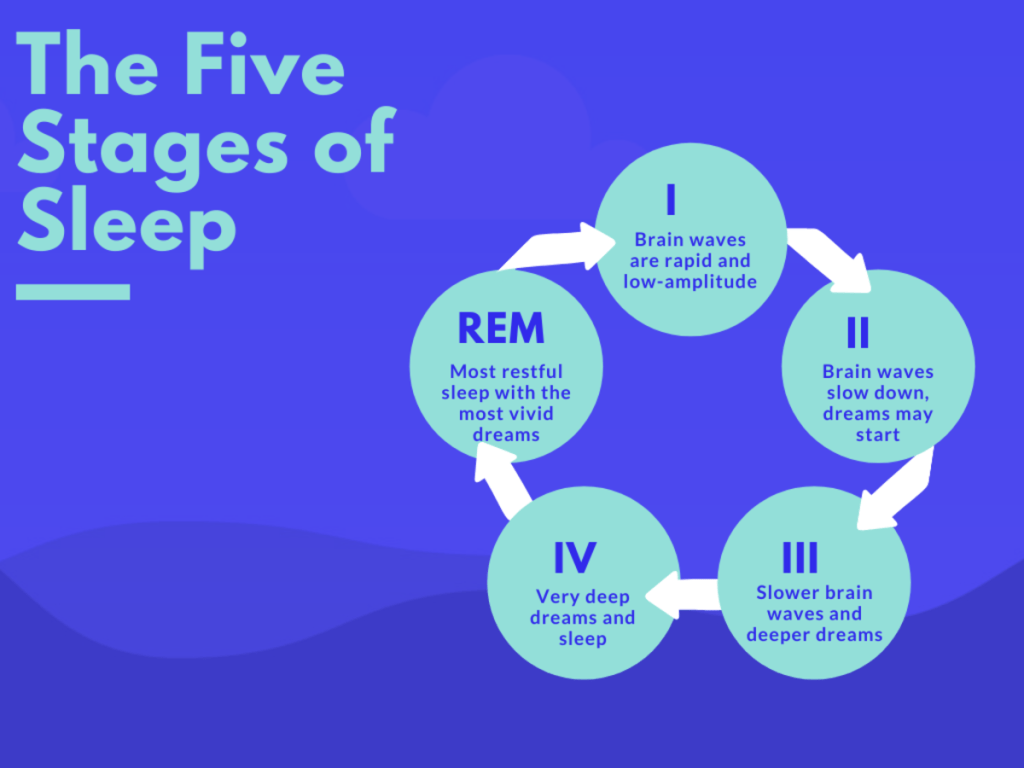
What Happens in the Brain When We Dream?
Dreams mainly occur during REM (Rapid Eye Movement) sleep, a phase when the brain is highly active — almost as active as when we’re awake. But it’s not the rational, linear thinking part that’s in charge. The prefrontal cortex (our executive decision-maker) is largely offline. Meanwhile, the amygdala (emotion), the hippocampus (memory), and the visual cortex (imagination) are firing like fireworks.
According to neuroscientific research, dreams are a result of the brain trying to process emotions, integrate memories, and simulate future scenarios — all without the filter of logic. It’s like your inner emotional world is speaking in metaphors while your rational self sleeps.
A leading theory, the Activation-Synthesis Hypothesis (Hobson & McCarley, 1977), suggests that dreams are the brain’s way of making sense of random neural activity. But more recent perspectives — including those from trauma-informed neuroscience — show us that dreams are not random. They’re deeply tied to our emotional state and unconscious needs.
Dreams Speak in Images — But Images Can Mislead
One of the biggest mistakes people make is taking dream images literally.
“I dreamt I was drowning. Does that mean I’m going to die?”
Not likely.
In coaching and psychology, we understand that dreams are symbolic, not prophetic. The brain, especially in REM sleep, speaks in metaphors — often pulled from your own emotional associations. A snake in your dream may represent danger, rebirth, or even a powerful personal transformation — depending on your own inner landscape.
The image is a necessity — but it can be misleading.
Because the brain thinks in visuals, it has to use images. But these can distract you from the deeper question:
What emotion was present in the dream — and what part of your life might that emotion relate to?
The Psychology of Dreams: Who Tried to Answer the Question?
Dreams have fascinated psychologists since the dawn of modern psychology:
- Sigmund Freud saw dreams as the “royal road to the unconscious”, expressing repressed desires and internal conflicts. His focus was on wish fulfilment and hidden symbolism.
- Carl Jung, in contrast, believed dreams were messages from the Self, guiding us toward integration and wholeness. For Jung, dreams held archetypes and universal patterns — but always filtered through personal meaning.
- Fritz Perls, founder of Gestalt therapy, encouraged dreamers to embody elements of the dream — to become the storm, the stranger, the collapsing building — because every part of the dream is you.
- More recently, neuroscientists like Mark Solms and trauma experts such as Bessel van der Kolk and Gabor Maté explore how dreams can replay unresolved emotional pain, helping the brain process unintegrated experiences from waking life.
So… How Should You Interpret a Dream?
Let’s be clear: interpreting dreams isn’t about finding a one-size-fits-all meaning. Your dream is not a puzzle to be solved — it’s a message to be heard.
Here’s a pragmatic, coach-informed approach:
1. Focus on the emotion, not the plot.
What did you feel in the dream? Fear, joy, loss, anger? That’s the real clue.
2. Ask yourself: Where in my waking life am I feeling this way?
The dream is usually mirroring something unresolved or unnoticed.
3. Explore without judgement.
This isn’t about being “right” — it’s about being curious. Use the dream as a doorway, not a diagnosis.
4. Don’t get stuck on symbols.
Use them as springboards. If you dreamt of falling, ask: Where in my life do I feel out of control or unsupported?
5. Write it down. Talk it out.
Reflection helps. Talking to a coach or therapist can reveal insights your conscious mind might overlook.
A Coach’s Take: Dreams as a Tool for Growth
As a trauma-informed coach, I don’t believe dreams are magical prophecies. But I do believe they’re deeply meaningful.
They’re neuro-emotional snapshots of what your system is trying to integrate. Sometimes they point to buried grief. Sometimes to unmet needs. Sometimes to creativity waiting to surface.
Your dreams are not telling you what’s going to happen.
They’re showing you what wants to heal, grow, or be acknowledged.
So next time you wake up from a strange or intense dream, don’t dismiss it.
Ask yourself:
What might my brain, my body, my inner world be trying to tell me… without words?
Curious to explore your dreams through the lens of neuroscience and self-development? Let’s talk. Your inner world is wiser than you think.
#CrescitaPersonale #Neuroplasticità #CoachingPerIlCambiamento #MyersBriggs #DISC #SviluppoPersonale #TrasformaLaTuaVita #CambiaLaMente #UnlockPotential #Cambiamento #personalita #mpec #mpecoach


